The Gate Gap
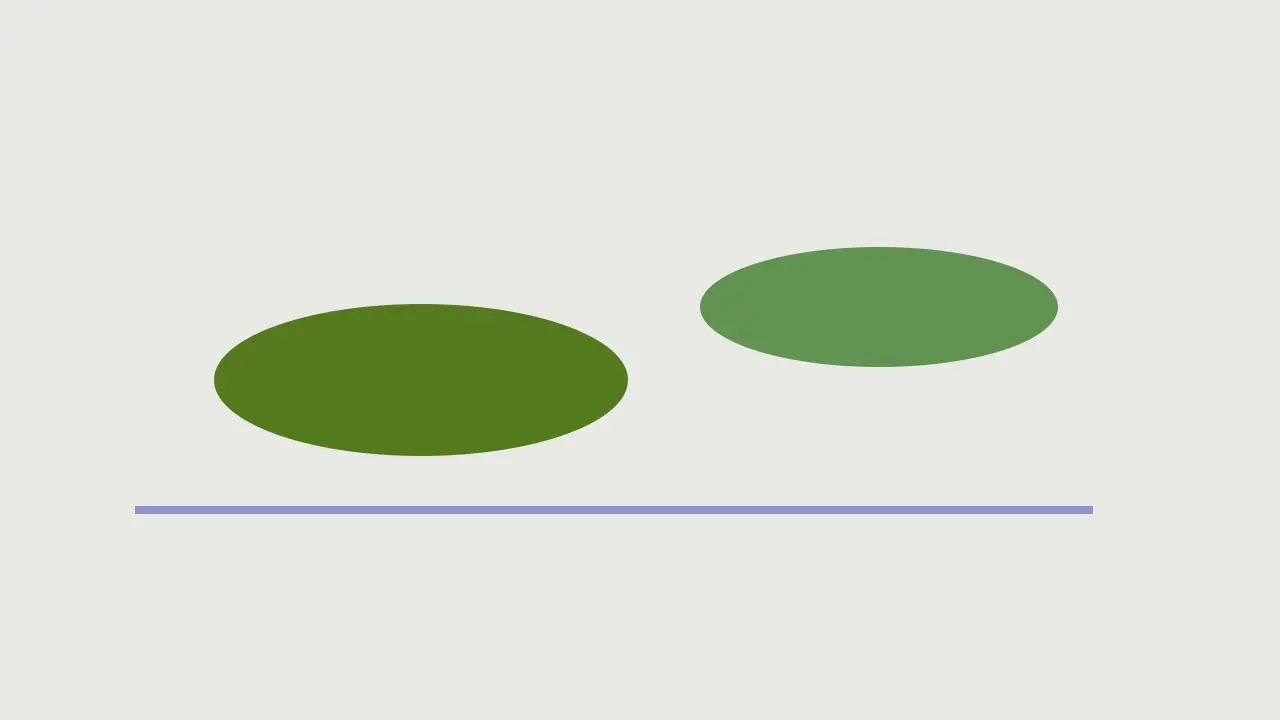
The first gate study showed two stones aligned in shadow. From the main path their top edges seemed to meet, and the space between them looked like a flat threshold. A person moving closer could see the nearer stone lay at a different height. We kept the misleading view, then made a lower position available before asking the gardener to extend an initial rake line into the shadow.
Give the first view a place in the garden
The gardener arrives beside a low board. The same board meets the edge of the sand and provides a straight reference beyond the gate. From there the shadow across the two stones fits the appearance of one long curb. The opening is still visible at the lower end beside the moss. Moving to that end makes the height of the nearer stone easier to judge.
In the old scene the gate had a strong straight edge beyond the stones. It looked like a guide for a line all the way across the bed. We softened its shadow and kept the board in the earlier position. The player can make a small mark along the near edge, then inspect whether it should be continued after moving to the lower part of the garden.
Make the gap legible through depth
The two stones have separate tucked edges of moss. From the valley between them, the closer edge partly obscures the farther one. The original high view blends the two patches. The lower view gives a small passage of pale sand between them. The difference tells the gardener about the arrangement rather than requiring them to read a marked solution.
We tried a bright blue line at the edge of the farther stone. It could make the gap clear from the original position before there was any reason to move. The current artwork leaves a little blue in the shadow of the plank and puts quieter greens on both stones. A change of angle determines what the player can see. The gap remains readable while the shadow moves.
Carry an early observation into the lower view
The first groove gives the gardener a record of the edge they initially saw. We keep that trace visible while the camera shifts toward the opening. One part may still align with the near stone. The far side has enough space to look at its height without inheriting the same mark. The resulting comparison can help decide what another groove ought to describe.
Our first control erased the old groove while the player moved down. The new view was easier to read and left no way to explain why the earlier line looked reasonable. The revised version leaves the stroke available, and the camera can be moved back to a matching starting position. A reader can point to a shadow or a board while checking why each view has a different open region.
Return to the place that suggested a continuous line
A Gap at the Gate preserves the first view and its lower approach. The Space Left Open follows where the next mark can stop while a part of the sand stays useful. We will ask someone to identify the misleading point in the original picture, then inspect the opening and explain what seeing another surface made possible. The gap should accomplish that while still looking at home beside the moss and gate. It gives the player a reason to make the next stroke narrower than the one they had initially imagined.
The lower position remains available if the gardener wants to inspect the second stone before using the rake again.